News (click to select category)
Leading · Protecting the Safety of Two Wheeled Vehicle Driving with Professional Equipment - Four piece Wheel Inspection Set
Date:2026-05-21ID: 331Heat:
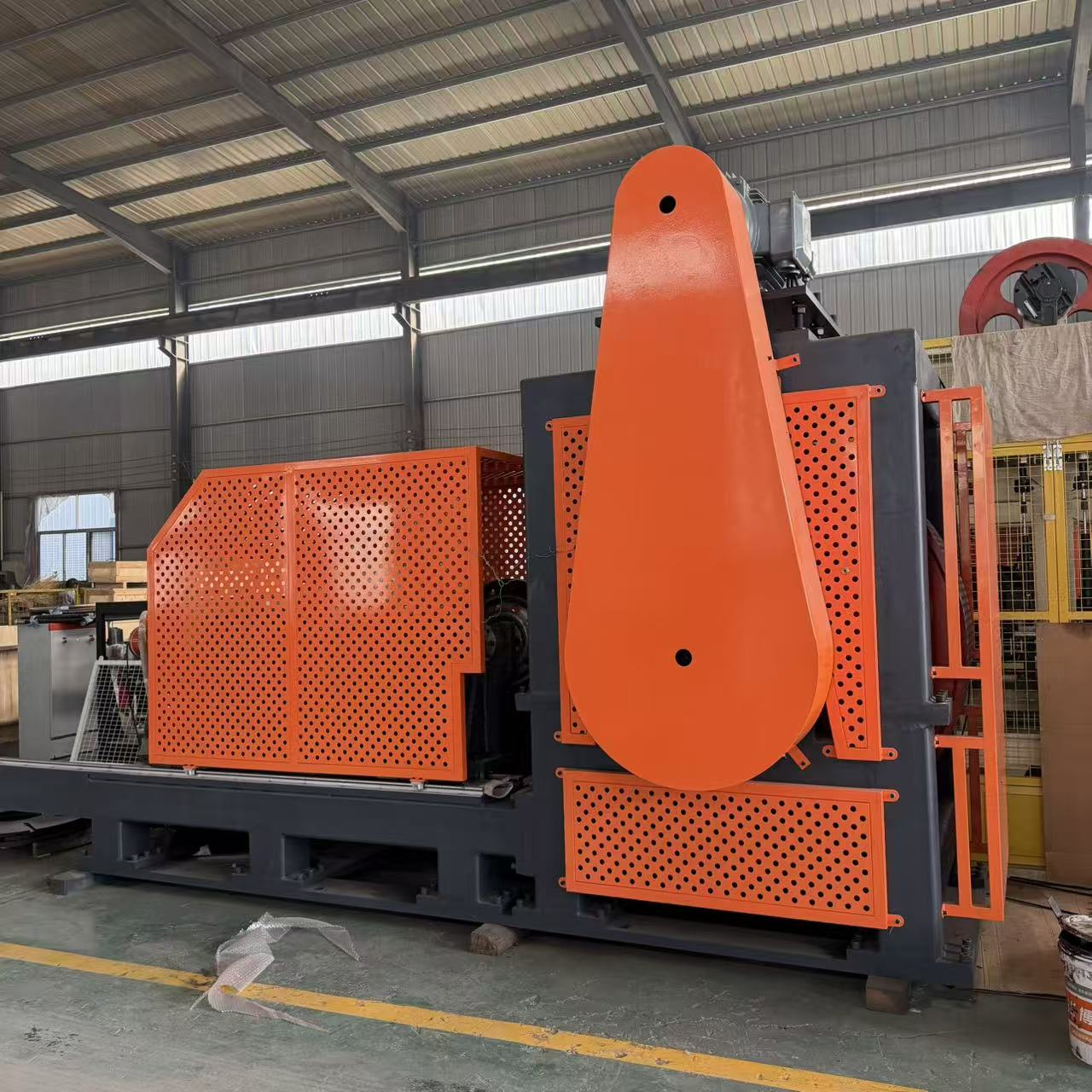
1、 Wheel radial load fatigue testing machine
This equipment is designed specifically for motorcycle and electric vehicle wheels, used to test the fatigue performance of the wheels under radial loads, simulate the actual stress state of the wheels during driving, ensure the reliability of long-term driving of the wheels, and meet the requirements of relevant standards such as QC/T211-1996. It is widely used in wheel production quality inspection, research and development verification, and other scenarios.
Core parameters: The testing station supports single or dual station options, flexibly adapting to different testing needs; The maximum test force value can reach 1 ton, meeting the radial load testing standards for two wheeled vehicles; The maximum test speed can reach 120km/h, which can achieve continuous fatigue testing for 1 week, 1 million times/1 million cycles, comprehensively assessing the long-term durability of the wheels; The specification of the drum is Φ 1707mm, with a width of 250mm. The radial runout of the drum is controlled within a reasonable range to ensure the stability and accuracy of the test.
Working principle: Using a variable frequency motor loading method, the drum is driven by the variable frequency motor to rotate at a constant speed, simulating the rolling state of the wheels during travel. At the same time, radial force is applied to the wheels through an electric cylinder, accurately simulating the load situation during wheel travel. The equipment is equipped with dedicated control software, and the interface can display key data such as force curve, test speed, driving mileage, and drum number in real time, making it easy for operators to monitor the test process in real time. After the test is completed, the data can be automatically recorded and saved to assist in the analysis and traceability of test results.
2、 Wheel rotation bending fatigue testing machine
This device is mainly used to detect the fatigue strength of motorcycle and electric vehicle wheels under rotating and bending conditions, simulate the bending forces caused by road bumps, steering, etc. during wheel driving, and determine whether there is a potential risk of wheel fracture. It is one of the core devices for wheel structural strength testing.
Core parameters: The maximum test bending moment can reach 1000Nm, which meets the industry requirements for bending fatigue testing of two wheeled vehicle wheels; The test speed can be flexibly adjusted within the range of 100-600r/min, and the appropriate speed can be set according to the testing requirements of different specifications of wheels. The speed indication error is controlled within a reasonable range.
Working principle: The equipment fixes the wheels with specialized fixtures, allowing them to continuously rotate at a set speed while applying a fixed bending moment to simulate the bending force state of the wheels during actual use. The control software can display the current test bending moment value and cumulative test cycles in real time. When the wheel experiences fatigue damage, the equipment can promptly issue a prompt and stop the test, ensuring the safety of the test and the accuracy of the data.
3、 Wheel torsion fatigue testing machine
This device is used to detect the torsional fatigue performance of motorcycle and electric vehicle wheels, simulate the torsional torque generated by the wheels during starting, braking, and steering processes, assess the ability of the wheels to resist torsional fatigue, and ensure the structural stability of the wheels under complex driving conditions. It is suitable for torsional fatigue testing of electric bicycles and motorcycle light alloy wheels.
Core parameters: Using the torque calculation method of force x force arm, the maximum torque can reach 3000Nm, which can meet the torsional testing requirements of different specifications of two wheeled vehicles; The test frequency can be adjusted within the range of 0.5-5Hz, which can accurately simulate the torsional frequency changes of the wheel during actual use.
Working principle: The equipment applies a force to the force arm through a servo electric cylinder, generates a torsional torque by multiplying the force with the force arm, and applies it to the fixed wheels to continuously bear torsional loads at a set frequency for fatigue testing. The control software displays the current torque value and cumulative test times in real time, making it easy for operators to monitor the test progress and timely grasp the fatigue status of the wheels. The test data can be retained for future reference, providing a basis for improving the quality of the wheels.
4、 Wheel impact testing machine
This device is used to simulate the impact force on the wheels of motorcycles and electric vehicles when they encounter extreme situations such as protruding obstacles and bumpy roads during driving, and to detect the anti damage ability of the wheels under instantaneous impact loads. It mainly assesses whether the wheels are damaged by air leakage, cracking, etc. It is a key equipment for wheel safety performance testing and can achieve two impact angles of 30 ° and 90 °, with 90 ° impact being the mainstream demand of customers.
Core parameters: The impact angle supports switching between 30 ° and 90 °, adapting to the testing needs of different impact scenarios. The 90 ° impact can simulate the vertical impact conditions of vehicles encountering protrusions such as bricks and stones, which is suitable for practical use scenarios; The weight of the impact weight is 700kg, the impact drop height is ≤ 250mm, and the indication error of the impact mass meets the relevant standard requirements, ensuring accurate and controllable impact energy.
Working principle: Before the experiment, the wheels need to be inflated to standard pressure and fixed on a dedicated test fixture; During the experiment, a 700kg weight was lifted using a cable driven by a motor and a reducer. The height adjustment device was used to accurately set the drop height, and the weight position was locked after confirmation; Subsequently, the locking device is released and the weight falls freely to impact the wheel, completing an impact test. After the experiment, observe and detect whether the wheels have any damage such as air leakage or cracking, in order to determine whether the impact resistance performance of the wheels meets the standard.
With professional casting quality and craftsmanship to ensure safety, Jinan Liling Testing Machine Co., Ltd. has been deeply involved in the field of testing machines for many years. With independent research and development capabilities and rich industry experience, we have become a trusted wheel inspection expert around you, providing protection for the safety of two wheeled vehicle wheels.
This equipment is designed specifically for motorcycle and electric vehicle wheels, used to test the fatigue performance of the wheels under radial loads, simulate the actual stress state of the wheels during driving, ensure the reliability of long-term driving of the wheels, and meet the requirements of relevant standards such as QC/T211-1996. It is widely used in wheel production quality inspection, research and development verification, and other scenarios.
Core parameters: The testing station supports single or dual station options, flexibly adapting to different testing needs; The maximum test force value can reach 1 ton, meeting the radial load testing standards for two wheeled vehicles; The maximum test speed can reach 120km/h, which can achieve continuous fatigue testing for 1 week, 1 million times/1 million cycles, comprehensively assessing the long-term durability of the wheels; The specification of the drum is Φ 1707mm, with a width of 250mm. The radial runout of the drum is controlled within a reasonable range to ensure the stability and accuracy of the test.
Working principle: Using a variable frequency motor loading method, the drum is driven by the variable frequency motor to rotate at a constant speed, simulating the rolling state of the wheels during travel. At the same time, radial force is applied to the wheels through an electric cylinder, accurately simulating the load situation during wheel travel. The equipment is equipped with dedicated control software, and the interface can display key data such as force curve, test speed, driving mileage, and drum number in real time, making it easy for operators to monitor the test process in real time. After the test is completed, the data can be automatically recorded and saved to assist in the analysis and traceability of test results.
2、 Wheel rotation bending fatigue testing machine
This device is mainly used to detect the fatigue strength of motorcycle and electric vehicle wheels under rotating and bending conditions, simulate the bending forces caused by road bumps, steering, etc. during wheel driving, and determine whether there is a potential risk of wheel fracture. It is one of the core devices for wheel structural strength testing.
Core parameters: The maximum test bending moment can reach 1000Nm, which meets the industry requirements for bending fatigue testing of two wheeled vehicle wheels; The test speed can be flexibly adjusted within the range of 100-600r/min, and the appropriate speed can be set according to the testing requirements of different specifications of wheels. The speed indication error is controlled within a reasonable range.
Working principle: The equipment fixes the wheels with specialized fixtures, allowing them to continuously rotate at a set speed while applying a fixed bending moment to simulate the bending force state of the wheels during actual use. The control software can display the current test bending moment value and cumulative test cycles in real time. When the wheel experiences fatigue damage, the equipment can promptly issue a prompt and stop the test, ensuring the safety of the test and the accuracy of the data.
3、 Wheel torsion fatigue testing machine
This device is used to detect the torsional fatigue performance of motorcycle and electric vehicle wheels, simulate the torsional torque generated by the wheels during starting, braking, and steering processes, assess the ability of the wheels to resist torsional fatigue, and ensure the structural stability of the wheels under complex driving conditions. It is suitable for torsional fatigue testing of electric bicycles and motorcycle light alloy wheels.
Core parameters: Using the torque calculation method of force x force arm, the maximum torque can reach 3000Nm, which can meet the torsional testing requirements of different specifications of two wheeled vehicles; The test frequency can be adjusted within the range of 0.5-5Hz, which can accurately simulate the torsional frequency changes of the wheel during actual use.
Working principle: The equipment applies a force to the force arm through a servo electric cylinder, generates a torsional torque by multiplying the force with the force arm, and applies it to the fixed wheels to continuously bear torsional loads at a set frequency for fatigue testing. The control software displays the current torque value and cumulative test times in real time, making it easy for operators to monitor the test progress and timely grasp the fatigue status of the wheels. The test data can be retained for future reference, providing a basis for improving the quality of the wheels.
4、 Wheel impact testing machine
This device is used to simulate the impact force on the wheels of motorcycles and electric vehicles when they encounter extreme situations such as protruding obstacles and bumpy roads during driving, and to detect the anti damage ability of the wheels under instantaneous impact loads. It mainly assesses whether the wheels are damaged by air leakage, cracking, etc. It is a key equipment for wheel safety performance testing and can achieve two impact angles of 30 ° and 90 °, with 90 ° impact being the mainstream demand of customers.
Core parameters: The impact angle supports switching between 30 ° and 90 °, adapting to the testing needs of different impact scenarios. The 90 ° impact can simulate the vertical impact conditions of vehicles encountering protrusions such as bricks and stones, which is suitable for practical use scenarios; The weight of the impact weight is 700kg, the impact drop height is ≤ 250mm, and the indication error of the impact mass meets the relevant standard requirements, ensuring accurate and controllable impact energy.
Working principle: Before the experiment, the wheels need to be inflated to standard pressure and fixed on a dedicated test fixture; During the experiment, a 700kg weight was lifted using a cable driven by a motor and a reducer. The height adjustment device was used to accurately set the drop height, and the weight position was locked after confirmation; Subsequently, the locking device is released and the weight falls freely to impact the wheel, completing an impact test. After the experiment, observe and detect whether the wheels have any damage such as air leakage or cracking, in order to determine whether the impact resistance performance of the wheels meets the standard.
With professional casting quality and craftsmanship to ensure safety, Jinan Liling Testing Machine Co., Ltd. has been deeply involved in the field of testing machines for many years. With independent research and development capabilities and rich industry experience, we have become a trusted wheel inspection expert around you, providing protection for the safety of two wheeled vehicle wheels.
About LiLing
Product range
News
Contact LiLing
National Service Hotline:+8618660398828
Address:山东省济南市市中区魏华西路6号院内2号厂房


Business consultation (WeChat)
Technical Support: ChaoYueHuLian
Links: