News (click to select category)
Precautions for operating the high-strength bolt tester
Date:2026-03-25ID: 307Heat:
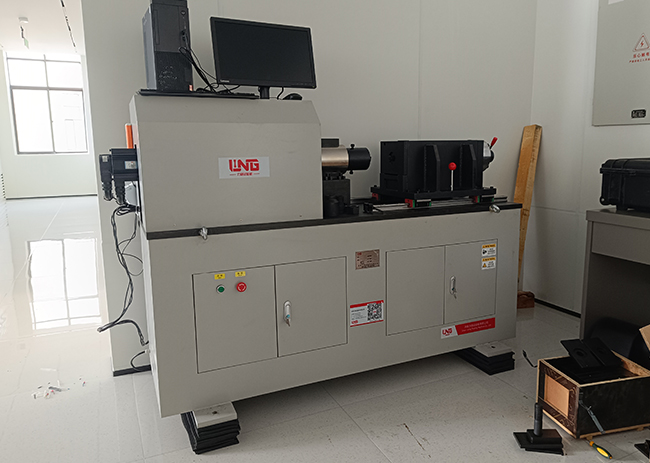
The high-strength bolt tester is a specialized testing machine used in steel structure engineering to accurately measure and verify the axial force, torque, and torque coefficient of high-strength bolt connection pairs (large hexagonal/torsional shear type). It is the core testing equipment to ensure the safety of engineering node connections.
Core detection parameters: axial force (pre tension): the axial tension generated after the bolt is tightened; Torque: The rotational torque applied when tightening a bolt; Torque coefficient K; applicable bolt types: large hexagonal high-strength bolt M12-M36, torsion shear type high-strength bolt M16-M30, execution standards: GB/T1231-2024 (latest), GB/T 3632-2016, GB 50205-2020 "Construction Quality Acceptance Standards for Steel Structures"
Before operation, conduct a comprehensive inspection of the equipment status. First, check whether the power cord, torque sensor, and axial force sensor connection wire of the equipment are firm and undamaged, whether the fixtures, sleeves, and tooling accessories are intact and not deformed, and whether the equipment is placed smoothly and grounded normally. After confirming that the above is correct, turn on the power in order: first turn on the main power switch, then start the host device, and finally turn on the supporting digital display instrument or detection software. After turning on, let it stand and preheat for 15 minutes, wait for the sensor values to stabilize, and avoid detection data deviation caused by insufficient preheating. After preheating is completed, reset the axial force and torque values on the instrument or software interface to ensure that the initial reading is reset to zero.
Then enter the parameters, strictly match the bolt specifications, prohibit arbitrary settings, and check the entire process for accuracy before proceeding to the next step. Firstly, select the corresponding testing standards. GB/T 1231 standard is used for large hexagonal high-strength bolts, and GB/T 3632 standard is used for torsion shear high-strength bolts; Subsequently, enter the information of the bolt core sample, specifying the bolt specifications (M16-M30), strength grade (8.8S/10.9S), and bolt type to avoid type confusion. Finally, set the loading parameters, input the target axial force (pre tension) value according to the national standard, set the uniform loading rate (conventional 1-2kN/s), switch to the axial force control mode, adapt to the torque coefficient detection requirements, save and confirm all parameters, and recheck to avoid input errors.
The high-strength bolt connection pair is a disposable specimen and is not allowed to be reused. The installation must fit the fixture firmly without looseness. Select specialized fixtures, baffles, and sleeves that match the bolt specifications, assemble the bolts, nuts, and washers in place according to construction standards, and insert them into the inspection fixture. When installing the anti rotation card, firmly fix the nut or bolt rod to prevent slipping and idling during the test process; Accurately fit the sleeve onto the nut, tightly connect the torque sensor, and adjust the position of the specimen to center and apply force. After all installations are completed, reset the axial force and torque values again to ensure accurate starting values for detection.
In the initial tightening stage, the large hexagonal high-strength bolt can be tightened until the bolt is not loose and the gap between the connecting plates is completely eliminated; Twist shear type high-strength bolts are initially tightened to 50% of the standard pre tension, and the specimen is initially fixed to ensure uniform force distribution during subsequent final tightening. Final twisting inspection: After confirming that there are no personnel or debris in the test area, click the equipment start button to enter the automatic constant speed loading mode. Monitor the instrument values in real-time throughout the process and observe the dynamic changes in axial force, torque, and torque coefficient. The twisted shear bolt detected automatic breakage of the plum blossom head, and the equipment was immediately shut down. After the large hexagonal bolt reaches the set target axial force, the equipment will automatically stop and unload. Overloading beyond the range is strictly prohibited. If there are abnormal situations such as numerical jump, abnormal equipment noise, or loose fixtures during the test, immediately press the emergency stop button, troubleshoot the problem, and then retest.
After the test shutdown, the equipment automatically calculates the core data, including axial force, torque, torque coefficient, average value, standard deviation, and coefficient of variation. It checks whether the data meets the national standard requirements (the qualified range of conventional torque coefficient is 0.11-0.15), and then enters the specimen number, testing date, and operator information according to the requirements. The original test data and force curve are saved in a standardized manner, and the formal testing report can be exported and printed. The testing ledger is kept, and unqualified specimens are separately labeled and the data is retained for future reference. After the inspection is completed, the entire process of unloading force is completed by reversing the motor. After confirming that the equipment is unloaded, the bolt specimens that have been tested are removed, and impurities and debris on the fixtures, jigs, and sleeves are cleaned to keep the equipment clean.
Core detection parameters: axial force (pre tension): the axial tension generated after the bolt is tightened; Torque: The rotational torque applied when tightening a bolt; Torque coefficient K; applicable bolt types: large hexagonal high-strength bolt M12-M36, torsion shear type high-strength bolt M16-M30, execution standards: GB/T1231-2024 (latest), GB/T 3632-2016, GB 50205-2020 "Construction Quality Acceptance Standards for Steel Structures"
Before operation, conduct a comprehensive inspection of the equipment status. First, check whether the power cord, torque sensor, and axial force sensor connection wire of the equipment are firm and undamaged, whether the fixtures, sleeves, and tooling accessories are intact and not deformed, and whether the equipment is placed smoothly and grounded normally. After confirming that the above is correct, turn on the power in order: first turn on the main power switch, then start the host device, and finally turn on the supporting digital display instrument or detection software. After turning on, let it stand and preheat for 15 minutes, wait for the sensor values to stabilize, and avoid detection data deviation caused by insufficient preheating. After preheating is completed, reset the axial force and torque values on the instrument or software interface to ensure that the initial reading is reset to zero.
Then enter the parameters, strictly match the bolt specifications, prohibit arbitrary settings, and check the entire process for accuracy before proceeding to the next step. Firstly, select the corresponding testing standards. GB/T 1231 standard is used for large hexagonal high-strength bolts, and GB/T 3632 standard is used for torsion shear high-strength bolts; Subsequently, enter the information of the bolt core sample, specifying the bolt specifications (M16-M30), strength grade (8.8S/10.9S), and bolt type to avoid type confusion. Finally, set the loading parameters, input the target axial force (pre tension) value according to the national standard, set the uniform loading rate (conventional 1-2kN/s), switch to the axial force control mode, adapt to the torque coefficient detection requirements, save and confirm all parameters, and recheck to avoid input errors.
The high-strength bolt connection pair is a disposable specimen and is not allowed to be reused. The installation must fit the fixture firmly without looseness. Select specialized fixtures, baffles, and sleeves that match the bolt specifications, assemble the bolts, nuts, and washers in place according to construction standards, and insert them into the inspection fixture. When installing the anti rotation card, firmly fix the nut or bolt rod to prevent slipping and idling during the test process; Accurately fit the sleeve onto the nut, tightly connect the torque sensor, and adjust the position of the specimen to center and apply force. After all installations are completed, reset the axial force and torque values again to ensure accurate starting values for detection.
In the initial tightening stage, the large hexagonal high-strength bolt can be tightened until the bolt is not loose and the gap between the connecting plates is completely eliminated; Twist shear type high-strength bolts are initially tightened to 50% of the standard pre tension, and the specimen is initially fixed to ensure uniform force distribution during subsequent final tightening. Final twisting inspection: After confirming that there are no personnel or debris in the test area, click the equipment start button to enter the automatic constant speed loading mode. Monitor the instrument values in real-time throughout the process and observe the dynamic changes in axial force, torque, and torque coefficient. The twisted shear bolt detected automatic breakage of the plum blossom head, and the equipment was immediately shut down. After the large hexagonal bolt reaches the set target axial force, the equipment will automatically stop and unload. Overloading beyond the range is strictly prohibited. If there are abnormal situations such as numerical jump, abnormal equipment noise, or loose fixtures during the test, immediately press the emergency stop button, troubleshoot the problem, and then retest.
After the test shutdown, the equipment automatically calculates the core data, including axial force, torque, torque coefficient, average value, standard deviation, and coefficient of variation. It checks whether the data meets the national standard requirements (the qualified range of conventional torque coefficient is 0.11-0.15), and then enters the specimen number, testing date, and operator information according to the requirements. The original test data and force curve are saved in a standardized manner, and the formal testing report can be exported and printed. The testing ledger is kept, and unqualified specimens are separately labeled and the data is retained for future reference. After the inspection is completed, the entire process of unloading force is completed by reversing the motor. After confirming that the equipment is unloaded, the bolt specimens that have been tested are removed, and impurities and debris on the fixtures, jigs, and sleeves are cleaned to keep the equipment clean.
About LiLing
Product range
News
Contact LiLing
National Service Hotline:+8618660398828
Address:山东省济南市市中区魏华西路6号院内2号厂房


Business consultation (WeChat)
Technical Support: ChaoYueHuLian
Links: