- Dynamic fatigue testing machine
- Friction and wear testing machine
- Fastener special testing machine
- Static mechanical property testing machine
- In-situ tensile testing machine
- Non-standard customized large and small mechanical equipment
- Metallographic sample preparation and analysis equipment
- hardmeter
- Solution of overall design and planning of laboratory

WDW-500M Microcomputer Controlled Electronic Universal Testing Machine
WDW-500M is a new generation microcomputer controlled universal testing machine. Mainly used for testing mechanical performance indicators such as tension, compression, bending, shear, peeling, and tearing of various metal, non-metal, and composite materials.
Introduction
The design of the testing machine host has the characteristics of beautiful appearance, easy operation, stable and reliable performance, no pollution, low noise, and high efficiency. The design of the auxiliary equipment is matched with the host, with a wedge-shaped translational structure and manual rotation clamping, and the sample is not subjected to additional force. Convenient, reliable, and non slip clamping.
The testing machine adopts an AC servo speed control system with high speed regulation accuracy and stable performance, and a motor as the driving system; Specially designed synchronous toothed belt reduction system and ball screw pair drive the movement of the testing machine's moving crossbeam; The control and data processing software based on database technology using Windows as the operating platform adopts virtual instrument technology instead of traditional digital tubes and oscilloscopes, realizing the screen display of test force, peak test force, beam displacement, sample deformation, and test curve. All test operations can be completed on the computer screen by mouse input, with a good human-machine interface and convenient operation; The dual channel fully digital programmable amplifier inserted into the PC realizes true physical zeroing, gain adjustment, and automatic shifting, zeroing, and calibration of test force measurement, without any analog adjustment links. The control circuit is highly integrated, completely eliminating mechanical adjustment devices such as potentiometers, with a simple structure and reliable performance. The comprehensive application of the above technologies ensures that the machine can achieve closed-loop control of parameters such as test force, sample deformation, and beam displacement, and can perform tests such as constant force, constant displacement, constant strain, constant velocity load cycle, and constant velocity deformation cycle. Users can use the PC expert system to independently set control modes such as constant stress, constant strain, and constant displacement, and smoothly switch between various control modes. The program control mode meets the requirements of national standards GB/T228-2010 "Tensile Test Method for Metallic Materials at Room Temperature" and GB/T7314-1987 "Compression Test Method for Metals", and achieves data processing that complies with various standards such as GB, ISO, JIS, ASTM, DIN, etc. Especially with good scalability, the processing results can be stored on disk in ASCII code form. This provides convenience for post-processing such as reanalysis of experimental data, database management, and network transmission.
Due to the automatic control of the testing process and the information processing of the test results, the testing machine enables operators to conveniently and autonomously set the test program control steps. During the tensile test, the tester can clearly observe the entire testing process of low carbon steel, cast iron, etc. By repeatedly loading on different curve segments, the force displacement (deformation) curve can be used to intuitively verify Hooke's law and observe the phenomenon of cold work hardening. For materials without obvious physical yielding phenomenon, hysteresis loop method or stepwise approximation method can be used to determine the specified non proportional tensile strength. During the compression process, it is convenient to observe the yielding and strengthening phenomena of low carbon steel, as well as the compression failure process and fracture shape of cast iron. It can also detect the n-value and r-value of mechanical materials.
Parameters
|
Parameter Category |
Parameter |
Specification |
|
Measurement System |
|
|
|
|
Test Force Measurement Range |
0.4% - 100% of Full Scale (F.S.) |
|
|
Test Force Ranging |
Selectable ranging or full-range (non-ranging) |
|
|
Software Sampling Frequency |
1000 Hz |
|
|
Test Force Measurement Accuracy |
Better than ±0.5% of indicated value |
|
|
Displacement Resolution |
0.001 mm |
|
|
Strain Resolution |
0.001 mm |
|
|
Displacement Measurement Accuracy |
±0.5% |
|
|
Strain Measurement Range |
0.2% - 100% F.S. |
|
|
Strain Indication Relative Error |
Within ±0.50% |
|
|
Strain Resolution (Full Scale) |
1/300,000 F.S. |
|
Control Performance |
|
|
|
|
Force Control Rate Range |
0.005% - 5% F.S./S |
|
|
Force Control Rate Relative Error |
Within ±1% of set value |
|
|
Strain Control Rate Range |
0.02% - 5% F.S./S |
|
|
Strain Control Rate Relative Error |
Rate < 0.05% F.S.: Within ±2% of set value |
|
|
Crosshead Speed Measurement Range |
0.001 - 200 mm/min |
|
|
Crosshead Speed Relative Error |
Speed < 0.01 mm/min: Within ±1.0% of set value |
|
|
Constant Force/Strain/Displacement Control Range |
0.5% - 100% F.S. |
|
|
Constant Force/Strain/Displacement Control Accuracy |
Set Value ≥ 10% F.S.: Within ±0.1% of set value |
|
Mechanical Specifications |
|
|
|
|
Tension Stroke |
0 - 600 mm |
|
|
Compression Stroke |
0 - 600 mm |
|
|
Max. Crosshead Travel |
1300 mm |
|
|
Testing Width |
600 mm |
|
Power & Physical Specs |
|
|
|
|
Power Supply |
380 V, 50 Hz, 3 kW |
|
|
Main Unit Dimensions (L×W×H) |
1300 × 850 × 2700 mm |
|
|
Main Unit Weight |
2800 kg |
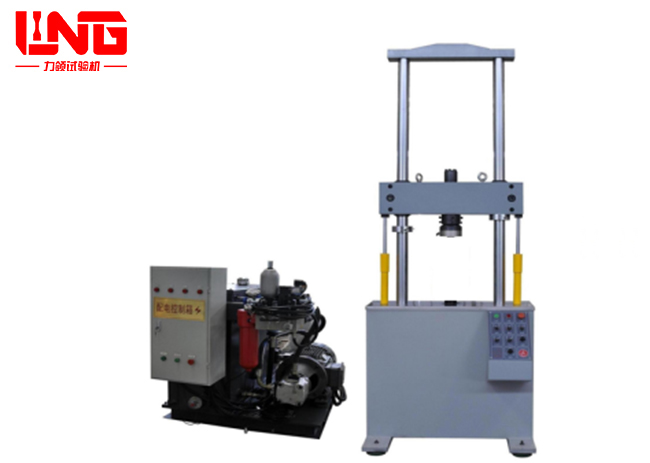
PWS-25 Electro-hydraulic servo universal testing machine
The electro-hydraulic servo dynamic and static universal tes...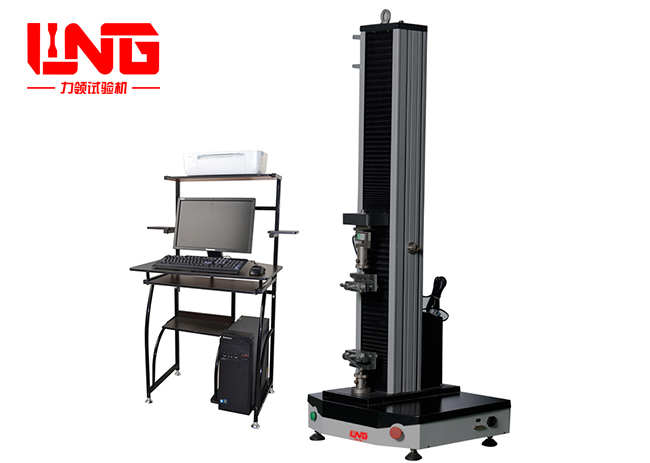
Single-arm microcomputer controlled electronic universal testing machine
The microcomputer control electronic universal testing ma...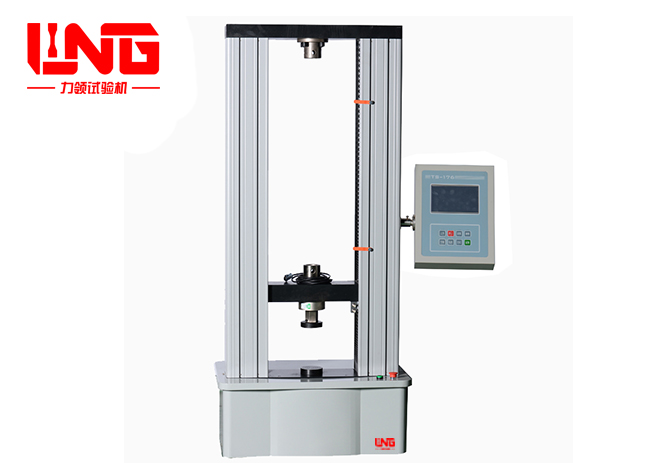
Digital display gate electronic universal testing machine
WDS series digital display single-arm electronic universal t...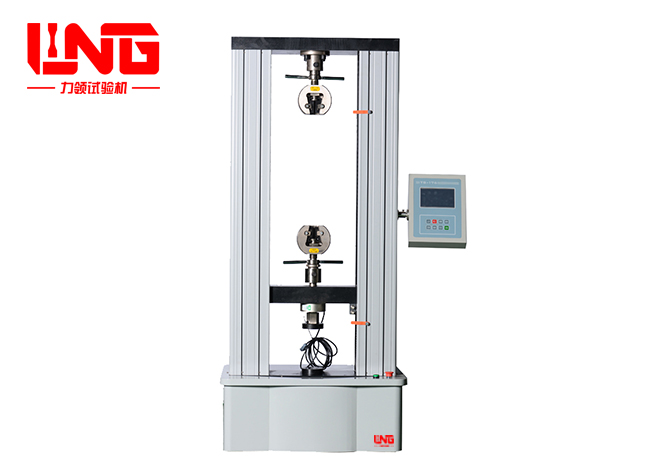
Digital display gate electronic universal testing machine
WDS series double column gantry digital display electronic u...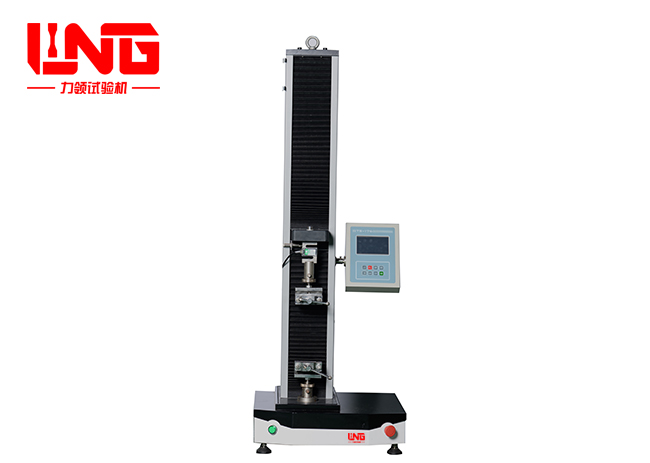
Single-arm digital display electronic universal testing machine
WDS series digital display single-arm electronic universal t...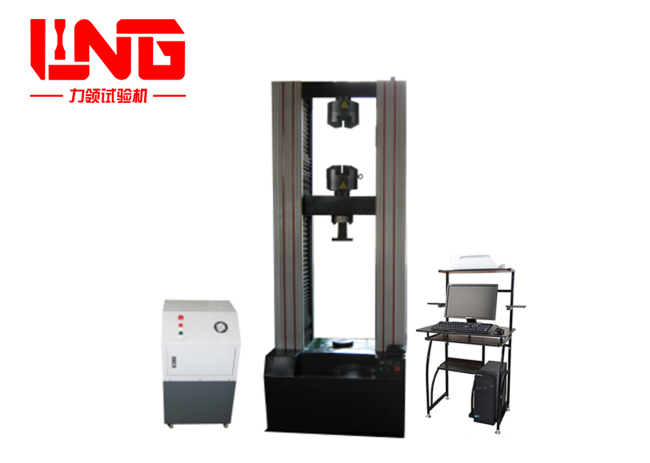
60 tons microcomputer control electronic universal testing machine
WDW-600M is a new generation of microcomputer controlled uni...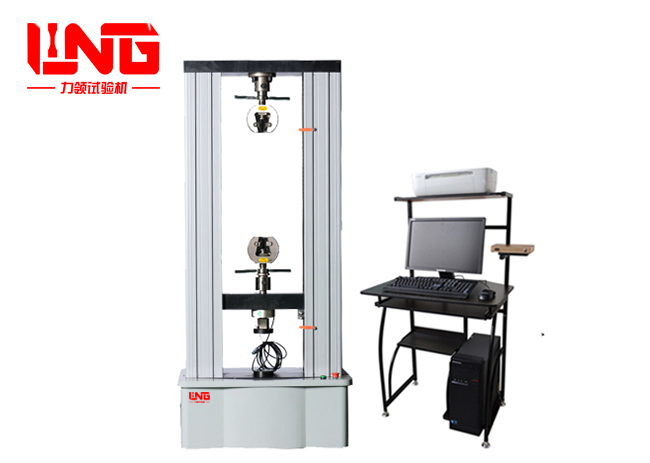
Mortar tensile bond testing machine
Mortar tensile bond testing machine is a microcomputer contr...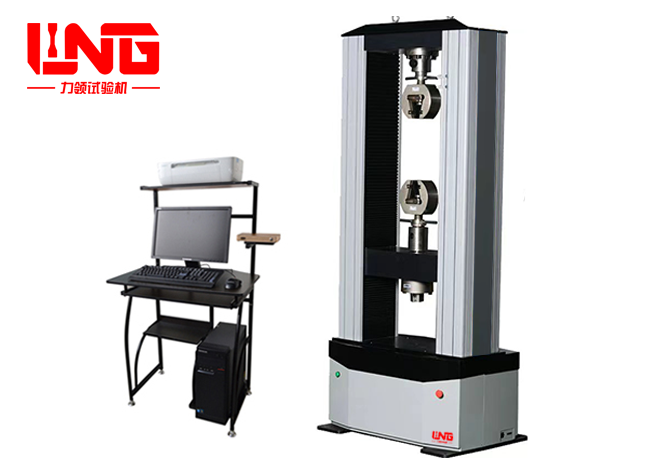
Mortar tensile bond testing machine
Mortar tensile bond testing machine is a microcomputer contr...
About LiLing
Product range
News
Contact LiLing
Address:山东省济南市市中区魏华西路6号院内2号厂房


Business consultation (WeChat)