News (click to select category)
LY71-UV impact specimen electro-hydraulic broaching machine-operating procedures
Date:2026-04-07ID: 313Heat:
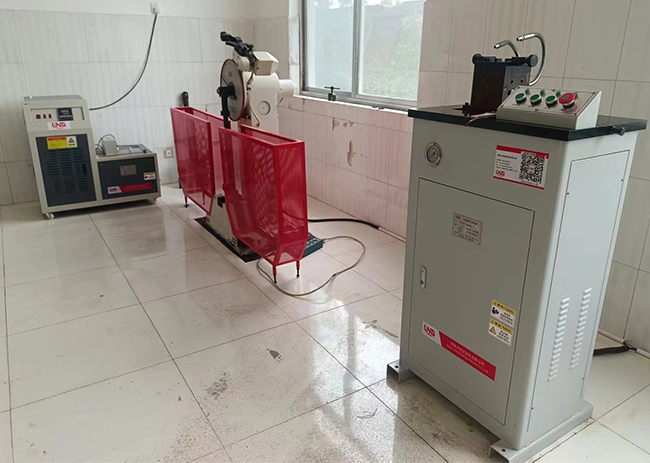
The notch broaching machine for impact samples is a specially developed impact sample processing equipment according to GB/T229, ISO148, ASTM E23 and other related standards.
First, preparation before operation (safety first)
1. Equipment inspection: make sure that the power supply and hydraulic pipeline are free from damage and leakage, the motor, cutter, fixture and transmission parts are in good condition, the cutting edge of the cutter is sharp and free from collapse, and the emergency stop button is sensitive and effective.
2. Sample preparation: check that the size and material of Charpy impact sample meet the standard, clean up the oil stain and burr on the surface of the sample, ensure no deformation, and adapt to the tool notch specification (V-type /U-type).
3. Personal protection: Wear protective gloves and goggles, roll up long hair, and do not wear loose clothes. It is forbidden to wear gloves to touch the cutter and transmission parts, and there are no irrelevant personnel in the operation area.
4. Environment and consumables: clean the equipment table and surrounding sundries, and reserve operating space; Prepare 46 # antiwear hydraulic oil, and check the installation firmness of the cutter to avoid loosening.
Second, the use steps
1. Open the front door, rotate the mailbox cover counterclockwise, and inject 30L; of No.46 hydraulic oil;
2. Connect the power supply, 380V50Hz, U-V-W-N (three fires and one zero) (yellow is the zero line, black, blue and red are the fire lines);
3. Turn the emergency stop button clockwise, and the indicator light will light up;
4. Press the oil pump button, the indicator lights up, the oil pump motor works, and the motor rotor rotates clockwise;
5. Press the knife-raising button, the indicator light will light up and the broach box will rise. (If the motor rotates counterclockwise and there is no action after the knife-raising indicator light is lit, you need to go back to the first step. If the blue and red power cords are replaced, the phase sequence can be changed and the motor is reversed);
6. Hold the sample with the sample size of 10X10X55 (when holding the sample, the section should be close to the limit block, refer to GBT229 standard);
7. After fixing the sample, press the cutting button, the indicator light will be on, and the broach will slowly descend until the indicator light of the cutting button goes out;
8. The sample notch processing is completed;
9. After the machining is completed, the equipment is reset. When the cutter stops moving completely, open the fixture, take the sample lightly, and check whether the shape and size of the notch meet the standard, and whether there is edge collapse or burr. Unqualified samples need to be reprocessed (the cutter parameters need to be recalibrated).
10. During batch processing, repeat steps 1-3, and check the cutting edge state of the tool once every 5-10 samples are processed to ensure stable processing accuracy.
Third, shut down and clean up
1. After processing, make sure there are no remaining samples on the main machine, turn it off and unplug the power cord.
2. Cleaning the equipment: wipe the cutter, fixture and workbench with a dust-free cloth to remove cutting chips and cutting fluid residues, and apply antirust oil after wiping the cutter; If the cutting edge of the tool is worn, replace the old tool in time and store it properly.
3. Clean up the site: put the qualified samples and testing tools back in place, clean up the cutting chips (classified collection), keep the operation area clean and tidy, and fill in the equipment operation records (processing quantity, equipment status and parameter setting).
Fourth, matters needing attention
1. It is forbidden to reach out and touch samples, cutting tools and moving parts during machining. It is forbidden to adjust parameters and disassemble equipment parts without authorization. Press the emergency stop button immediately in case of emergency.
2. The sample must be clamped before starting the equipment. It is forbidden to start the machine without clamping, so as to prevent the sample from falling off and hurting people and damaging the tool.
3. Dry-drawing processing is prohibited. When hydraulic oil is insufficient, it should be replenished in time to avoid overheating of the tool and decrease of machining accuracy.
4. In case of abnormal sound, vibration, abnormal hydraulic pressure, unsynchronized double knives, etc. in the operation of the equipment, immediately shut down and power off, contact professionals for maintenance, and it is forbidden to start the machine before troubleshooting.
5. Non-professional operators are strictly forbidden to start the machine without authorization. Newcomers need on-site guidance and can operate independently only after they are familiar with the procedures.
6. Tool replacement should be carried out after power failure. After replacement, the parameters must be recalibrated, and 1-2 samples should be tested and confirmed to be qualified before mass production.
First, preparation before operation (safety first)
1. Equipment inspection: make sure that the power supply and hydraulic pipeline are free from damage and leakage, the motor, cutter, fixture and transmission parts are in good condition, the cutting edge of the cutter is sharp and free from collapse, and the emergency stop button is sensitive and effective.
2. Sample preparation: check that the size and material of Charpy impact sample meet the standard, clean up the oil stain and burr on the surface of the sample, ensure no deformation, and adapt to the tool notch specification (V-type /U-type).
3. Personal protection: Wear protective gloves and goggles, roll up long hair, and do not wear loose clothes. It is forbidden to wear gloves to touch the cutter and transmission parts, and there are no irrelevant personnel in the operation area.
4. Environment and consumables: clean the equipment table and surrounding sundries, and reserve operating space; Prepare 46 # antiwear hydraulic oil, and check the installation firmness of the cutter to avoid loosening.
Second, the use steps
1. Open the front door, rotate the mailbox cover counterclockwise, and inject 30L; of No.46 hydraulic oil;
2. Connect the power supply, 380V50Hz, U-V-W-N (three fires and one zero) (yellow is the zero line, black, blue and red are the fire lines);
3. Turn the emergency stop button clockwise, and the indicator light will light up;
4. Press the oil pump button, the indicator lights up, the oil pump motor works, and the motor rotor rotates clockwise;
5. Press the knife-raising button, the indicator light will light up and the broach box will rise. (If the motor rotates counterclockwise and there is no action after the knife-raising indicator light is lit, you need to go back to the first step. If the blue and red power cords are replaced, the phase sequence can be changed and the motor is reversed);
6. Hold the sample with the sample size of 10X10X55 (when holding the sample, the section should be close to the limit block, refer to GBT229 standard);
7. After fixing the sample, press the cutting button, the indicator light will be on, and the broach will slowly descend until the indicator light of the cutting button goes out;
8. The sample notch processing is completed;
9. After the machining is completed, the equipment is reset. When the cutter stops moving completely, open the fixture, take the sample lightly, and check whether the shape and size of the notch meet the standard, and whether there is edge collapse or burr. Unqualified samples need to be reprocessed (the cutter parameters need to be recalibrated).
10. During batch processing, repeat steps 1-3, and check the cutting edge state of the tool once every 5-10 samples are processed to ensure stable processing accuracy.
Third, shut down and clean up
1. After processing, make sure there are no remaining samples on the main machine, turn it off and unplug the power cord.
2. Cleaning the equipment: wipe the cutter, fixture and workbench with a dust-free cloth to remove cutting chips and cutting fluid residues, and apply antirust oil after wiping the cutter; If the cutting edge of the tool is worn, replace the old tool in time and store it properly.
3. Clean up the site: put the qualified samples and testing tools back in place, clean up the cutting chips (classified collection), keep the operation area clean and tidy, and fill in the equipment operation records (processing quantity, equipment status and parameter setting).
Fourth, matters needing attention
1. It is forbidden to reach out and touch samples, cutting tools and moving parts during machining. It is forbidden to adjust parameters and disassemble equipment parts without authorization. Press the emergency stop button immediately in case of emergency.
2. The sample must be clamped before starting the equipment. It is forbidden to start the machine without clamping, so as to prevent the sample from falling off and hurting people and damaging the tool.
3. Dry-drawing processing is prohibited. When hydraulic oil is insufficient, it should be replenished in time to avoid overheating of the tool and decrease of machining accuracy.
4. In case of abnormal sound, vibration, abnormal hydraulic pressure, unsynchronized double knives, etc. in the operation of the equipment, immediately shut down and power off, contact professionals for maintenance, and it is forbidden to start the machine before troubleshooting.
5. Non-professional operators are strictly forbidden to start the machine without authorization. Newcomers need on-site guidance and can operate independently only after they are familiar with the procedures.
6. Tool replacement should be carried out after power failure. After replacement, the parameters must be recalibrated, and 1-2 samples should be tested and confirmed to be qualified before mass production.
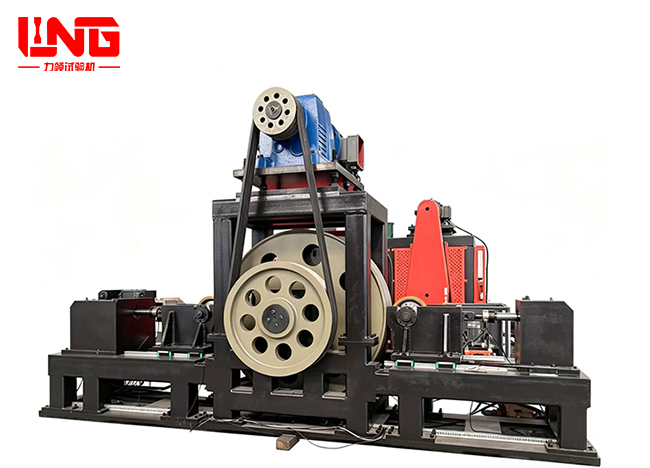
Wheel high-speed durability testing machine
This plan is designed to meet the high-speed performance tes...
Microcomputer-controlled automobile air spring tension and compression testing machine
The air spring tension and compression tester is a high-perf...
LZM-6 6-station conversion valve full temperature friction testing machine
The 6-station conversion valve full temperature friction tes...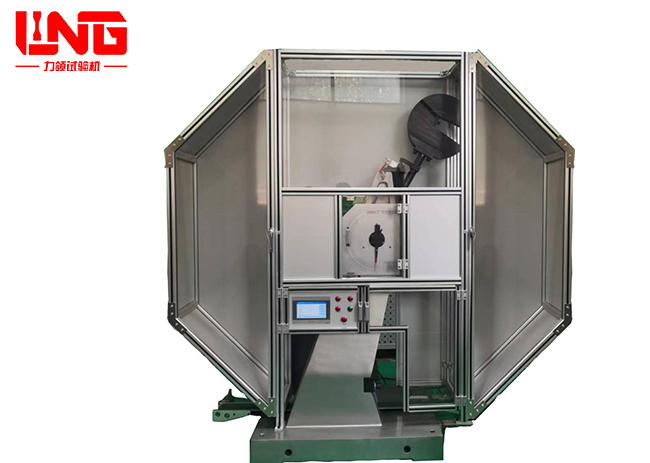
JBW-300C Microcomputer controlled pendulum impact testing machine
The metal pendulum impact testing machine is an instrument u...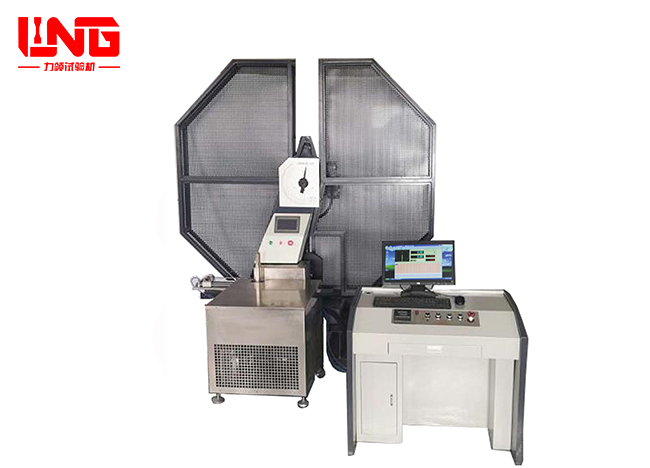
JBW-300HY Instrumented low-temperature automatic impact testing machine
Instrumental pendulum impact testing machine is usually call...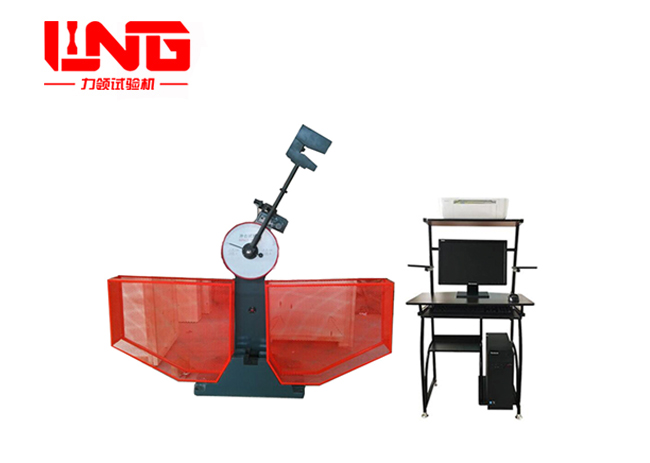
JBW-300B Impact testing machine controlled by microcomputer
There are many kinds of impact testing machine, microcompute...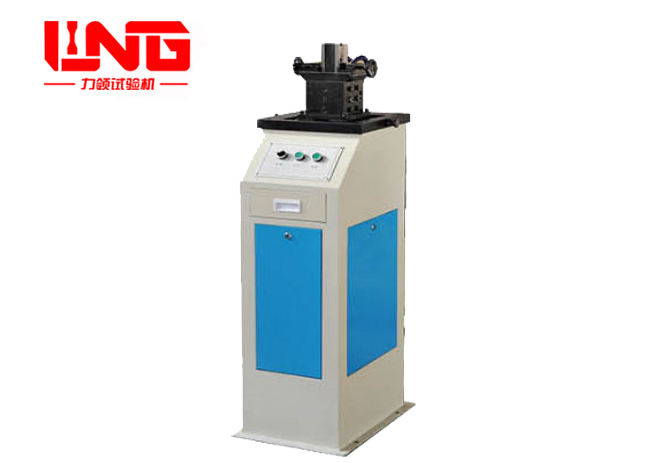
LY71-UV Impact specimen notch electro-hydraulic broaching machine
The broaching machine is a supporting equipment for the impa...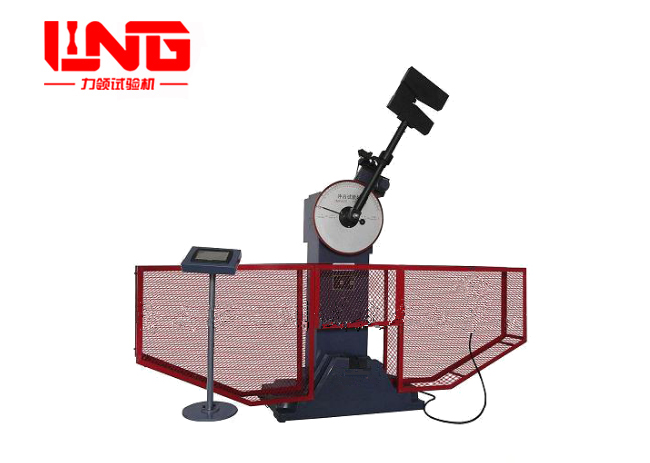
JBS-300B Digital impact testing machine
JBS-300B digital display impact testing machine is used to m...
About LiLing
Product range
News
Contact LiLing
National Service Hotline:+8618660398828
Address:山东省济南市市中区魏华西路6号院内2号厂房


Business consultation (WeChat)
Technical Support: ChaoYueHuLian
Links: