News (click to select category)
Precautions for Unpacking and Transporting Digital Brinell Hardness Tester
Date:2026-03-11ID: 301Heat:

Unpacking and handling
preparation
The working environment of the hardness tester should be dry, clean, and free of corrosive gases.
The working environment of the hardness tester should be free from mechanical vibrations from the outside world.
The working environment of the hardness tester should be between 10-30 ℃.
The test bench (self provided) should be made of cement or metal as the substrate, with a certain degree of rigidity and strength, capable of bearing the hardness tester and its accessories. The tabletop should be as shown in Figure 4 (the dimensions in the figure are for reference only). A hole with a diameter of 70 millimeters is provided for the screw to pass through, and the levelness of the entire table should be within 0.2/1000.
There should be appropriate space around the hardness tester for necessary installation, maintenance, debugging, and other work.
unboxing
Use tools to remove packaging tape A/B from the outer packaging box
Use tools to remove the wooden screws that secure the box shell and base, and pull out the box shell upwards.
Take out the data bag and check it. There should be a user manual (including packing list and certificate of conformity) inside the bag.
Use a wrench to loosen the nut on the fixed accessory box packaging hook, and remove the packaging hook and accessory box. Check the items in the attachment box and verify if they match the packing list.
Use a wrench to remove the four anchor bolts that secure the hardness tester to the base of the packaging box.
Precautions for handling
Do not attempt to transport the hardness tester alone, as the equipment is heavy and improper operation can cause damage to the hardness tester and personal injury. Therefore, two or more experienced operators are required to move this device.
When handling the hardness tester, the inclination of the axis between the indenter and the screw in the vertical direction shall not exceed 15 °.
When transporting the hardness tester, the contact position between the carrier and the hardness tester is limited to the outer surface of the machine body, and other surfaces and components of the hardness tester should not be in contact to avoid affecting the accuracy of the machine.
When handling the hardness tester, it should be lifted and dropped gently to avoid collision and impact.
preparation
The working environment of the hardness tester should be dry, clean, and free of corrosive gases.
The working environment of the hardness tester should be free from mechanical vibrations from the outside world.
The working environment of the hardness tester should be between 10-30 ℃.
The test bench (self provided) should be made of cement or metal as the substrate, with a certain degree of rigidity and strength, capable of bearing the hardness tester and its accessories. The tabletop should be as shown in Figure 4 (the dimensions in the figure are for reference only). A hole with a diameter of 70 millimeters is provided for the screw to pass through, and the levelness of the entire table should be within 0.2/1000.
There should be appropriate space around the hardness tester for necessary installation, maintenance, debugging, and other work.
unboxing
Use tools to remove packaging tape A/B from the outer packaging box
Use tools to remove the wooden screws that secure the box shell and base, and pull out the box shell upwards.
Take out the data bag and check it. There should be a user manual (including packing list and certificate of conformity) inside the bag.
Use a wrench to loosen the nut on the fixed accessory box packaging hook, and remove the packaging hook and accessory box. Check the items in the attachment box and verify if they match the packing list.
Use a wrench to remove the four anchor bolts that secure the hardness tester to the base of the packaging box.
Precautions for handling
Do not attempt to transport the hardness tester alone, as the equipment is heavy and improper operation can cause damage to the hardness tester and personal injury. Therefore, two or more experienced operators are required to move this device.
When handling the hardness tester, the inclination of the axis between the indenter and the screw in the vertical direction shall not exceed 15 °.
When transporting the hardness tester, the contact position between the carrier and the hardness tester is limited to the outer surface of the machine body, and other surfaces and components of the hardness tester should not be in contact to avoid affecting the accuracy of the machine.
When handling the hardness tester, it should be lifted and dropped gently to avoid collision and impact.
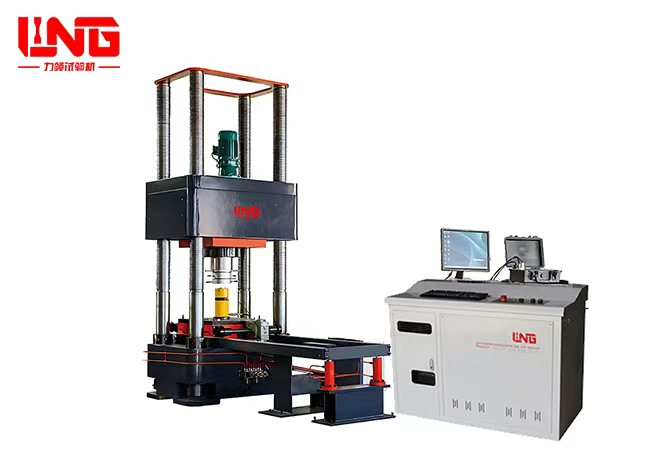
YAW-5000F Computer-controlled Electro-hydraulic Servo Jack Testing Machine
The YAW-5000F microcomputer controlled electro-hydraulic ser...
LNZ-W50Nm microcomputer controlled torsion testing machine
The microcomputer controlled torsion testing machine is main...
PWS-1000CQ Drive axle housing comprehensive performance testing platform
The core purpose of the test bench is to accurately detect t...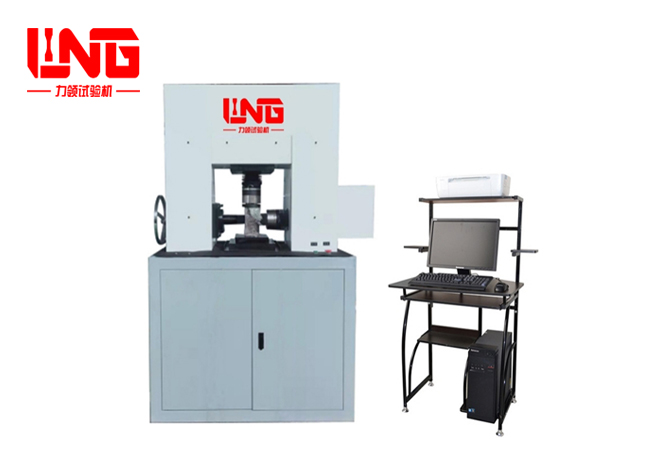
Rock concrete direct shear apparatus
The microcomputer controlled electro-hydraulic servo concret...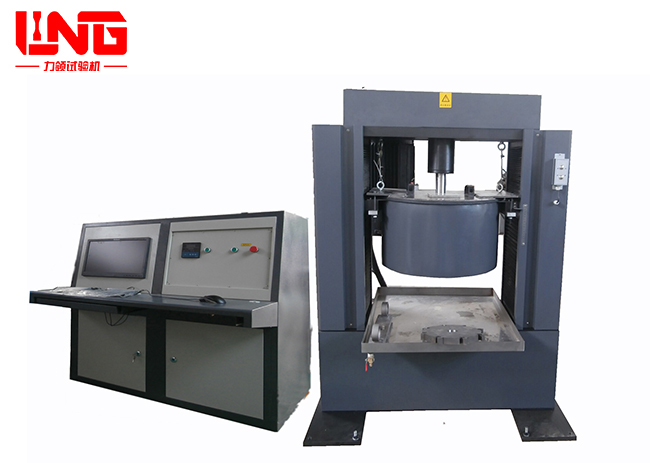
MCF-4 Microcomputer controlled liquid-solid two-phase erosion corrosion wear testing machine
The MCF-4 corrosion erosion wear tester is mainly used to me...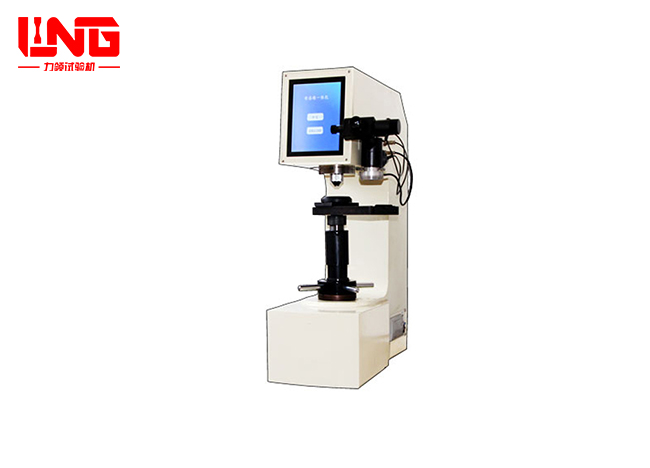
Digital Brinell Hardness Tester
HBRVS-187.5 digital Brinell and Vickers hardness tester has ...
About LiLing
Product range
News
Contact LiLing
National Service Hotline:+8618660398828
Address:山东省济南市市中区魏华西路6号院内2号厂房


Business consultation (WeChat)
Technical Support: ChaoYueHuLian
Links: