News (click to select category)
LY71-UV Impact Test Sample Electric Hydraulic Pulling Machine - Operating Procedures
Date:2025-12-15ID: 273Heat:
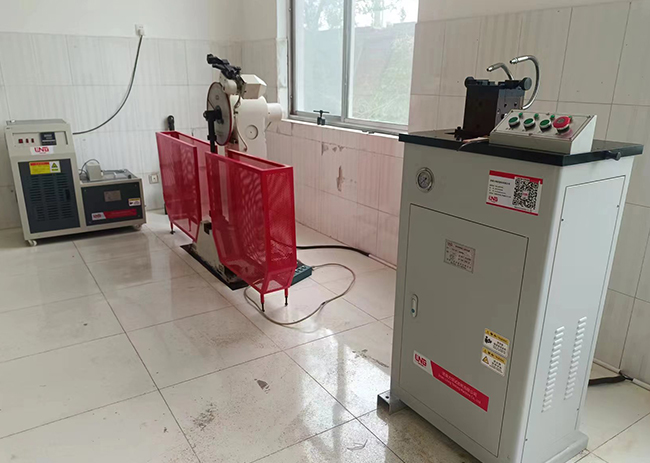
The impact specimen notch drawing machine is a specially developed impact specimen processing equipment based on relevant standards such as GB/T229, ISO148, ASTM E23, etc.
1、 Preparation before operation (safety first)
1. Equipment inspection: Confirm that there is no damage or leakage in the power supply and hydraulic pipelines, the motor, cutting tools, fixtures, and transmission components are intact, the cutting edge of the cutting tool is sharp and undamaged, and the emergency stop button is sensitive and effective.
2. Sample preparation: Verify that the dimensions and material of the Charpy impact sample meet the standards, clean the surface of the sample of oil stains and burrs to ensure no deformation, and adapt to the tool notch specifications (V-shaped/U-shaped).
3. Personal protection: Wear protective gloves and goggles, tie up long hair, do not wear loose clothing, do not wear gloves to touch cutting tools and transmission parts, and there are no unrelated personnel in the operating area.
4. Environment and consumables: Clean the equipment countertop and surrounding debris, and reserve operating space; Prepare anti-wear hydraulic oil No. 46 and check the firmness of the tool installation to avoid looseness.
2、 Usage steps
1. Open the front door, rotate the mailbox cover counterclockwise, and inject 30L of No. 46 hydraulic oil;
2. Connect the power supply, 380V50Hz, U-V-W-N (three flames and one zero) (yellow is the neutral wire, black, blue, and red are the live wires);
3. Rotate the emergency stop button clockwise to turn on the indicator light;
4. Press the oil pump button, the indicator light will light up, the oil pump motor will work, and the motor rotor will rotate clockwise;
5. Press the knife lifting button, the indicator light will turn on, and the knife box will rise. If the motor rotates counterclockwise and the lift indicator light does not turn on, it needs to return to the first step. Replacing the blue and red power cords can change the phase sequence, and the motor will reverse;
6. Attach the sample, with a size of 10X10X55 (when attaching the sample, the cross-section should be close to the limit block, according to GBT229 standard);
7. After fixing the sample, press the cutting button, the indicator light will turn on, and the puller will slowly descend until the cutting button indicator light goes out;
8. The notch processing of the sample is completed;
9. After processing is completed, reset the equipment and wait for the tool to completely stop moving. Open the fixture, gently take the sample, and check whether the notch shape and size meet the standards, whether there are any broken edges or burrs. Unqualified samples need to be reprocessed (tool parameters need to be recalibrated).
10. During batch processing, repeat steps 1-3 and check the cutting edge status of the tool every 5-10 samples to ensure stable processing accuracy.
3、 Shutdown and Cleaning
After processing, ensure that there are no remaining samples on the host, turn it off, and unplug the power cord.
2. Cleaning equipment: Wipe the cutting tools, fixtures, and workbench with a dust-free cloth to remove cutting chips and residual cutting fluid. After wiping the cutting tools, apply anti rust oil; If the cutting edge of the tool is worn, replace it in a timely manner and store the old tool properly.
3. Organize the site: return qualified samples and testing tools to their original positions, clean up cutting chips (collect them by category), keep the operating area clean, and fill in equipment operation records (processing quantity, equipment status, parameter settings).
4、 Precautions
1. It is strictly prohibited to reach out and touch the sample, cutting tools, and moving parts during the processing. It is also strictly prohibited to adjust parameters or disassemble equipment components without authorization. In emergency situations, immediately press the emergency stop button.
2. The sample must be clamped before starting the equipment. It is strictly prohibited to start the machine without clamping to prevent the sample from falling off and injuring people or damaging the cutting tool.
3. Dry drawing processing is prohibited. When hydraulic oil is insufficient, it should be replenished in a timely manner to avoid tool overheating and decreased machining accuracy.
4. If there are any abnormal noises, vibrations, hydraulic pressure abnormalities, or unsynchronized dual blades during equipment operation, immediately shut down the power and contact professional personnel for maintenance. Do not turn on the equipment until the fault is resolved.
5. Non professional operators are strictly prohibited from turning on the machine without authorization. New operators must be guided by a dedicated person on site and familiar with the procedures before they can operate independently.
6. Tool replacement must be carried out after power off, and the parameters must be recalibrated after replacement. 1-2 samples must be tested and confirmed to be qualified before mass production.
1、 Preparation before operation (safety first)
1. Equipment inspection: Confirm that there is no damage or leakage in the power supply and hydraulic pipelines, the motor, cutting tools, fixtures, and transmission components are intact, the cutting edge of the cutting tool is sharp and undamaged, and the emergency stop button is sensitive and effective.
2. Sample preparation: Verify that the dimensions and material of the Charpy impact sample meet the standards, clean the surface of the sample of oil stains and burrs to ensure no deformation, and adapt to the tool notch specifications (V-shaped/U-shaped).
3. Personal protection: Wear protective gloves and goggles, tie up long hair, do not wear loose clothing, do not wear gloves to touch cutting tools and transmission parts, and there are no unrelated personnel in the operating area.
4. Environment and consumables: Clean the equipment countertop and surrounding debris, and reserve operating space; Prepare anti-wear hydraulic oil No. 46 and check the firmness of the tool installation to avoid looseness.
2、 Usage steps
1. Open the front door, rotate the mailbox cover counterclockwise, and inject 30L of No. 46 hydraulic oil;
2. Connect the power supply, 380V50Hz, U-V-W-N (three flames and one zero) (yellow is the neutral wire, black, blue, and red are the live wires);
3. Rotate the emergency stop button clockwise to turn on the indicator light;
4. Press the oil pump button, the indicator light will light up, the oil pump motor will work, and the motor rotor will rotate clockwise;
5. Press the knife lifting button, the indicator light will turn on, and the knife box will rise. If the motor rotates counterclockwise and the lift indicator light does not turn on, it needs to return to the first step. Replacing the blue and red power cords can change the phase sequence, and the motor will reverse;
6. Attach the sample, with a size of 10X10X55 (when attaching the sample, the cross-section should be close to the limit block, according to GBT229 standard);
7. After fixing the sample, press the cutting button, the indicator light will turn on, and the puller will slowly descend until the cutting button indicator light goes out;
8. The notch processing of the sample is completed;
9. After processing is completed, reset the equipment and wait for the tool to completely stop moving. Open the fixture, gently take the sample, and check whether the notch shape and size meet the standards, whether there are any broken edges or burrs. Unqualified samples need to be reprocessed (tool parameters need to be recalibrated).
10. During batch processing, repeat steps 1-3 and check the cutting edge status of the tool every 5-10 samples to ensure stable processing accuracy.
After processing, ensure that there are no remaining samples on the host, turn it off, and unplug the power cord.
2. Cleaning equipment: Wipe the cutting tools, fixtures, and workbench with a dust-free cloth to remove cutting chips and residual cutting fluid. After wiping the cutting tools, apply anti rust oil; If the cutting edge of the tool is worn, replace it in a timely manner and store the old tool properly.
3. Organize the site: return qualified samples and testing tools to their original positions, clean up cutting chips (collect them by category), keep the operating area clean, and fill in equipment operation records (processing quantity, equipment status, parameter settings).
4、 Precautions
1. It is strictly prohibited to reach out and touch the sample, cutting tools, and moving parts during the processing. It is also strictly prohibited to adjust parameters or disassemble equipment components without authorization. In emergency situations, immediately press the emergency stop button.
2. The sample must be clamped before starting the equipment. It is strictly prohibited to start the machine without clamping to prevent the sample from falling off and injuring people or damaging the cutting tool.
3. Dry drawing processing is prohibited. When hydraulic oil is insufficient, it should be replenished in a timely manner to avoid tool overheating and decreased machining accuracy.
4. If there are any abnormal noises, vibrations, hydraulic pressure abnormalities, or unsynchronized dual blades during equipment operation, immediately shut down the power and contact professional personnel for maintenance. Do not turn on the equipment until the fault is resolved.
5. Non professional operators are strictly prohibited from turning on the machine without authorization. New operators must be guided by a dedicated person on site and familiar with the procedures before they can operate independently.
6. Tool replacement must be carried out after power off, and the parameters must be recalibrated after replacement. 1-2 samples must be tested and confirmed to be qualified before mass production.
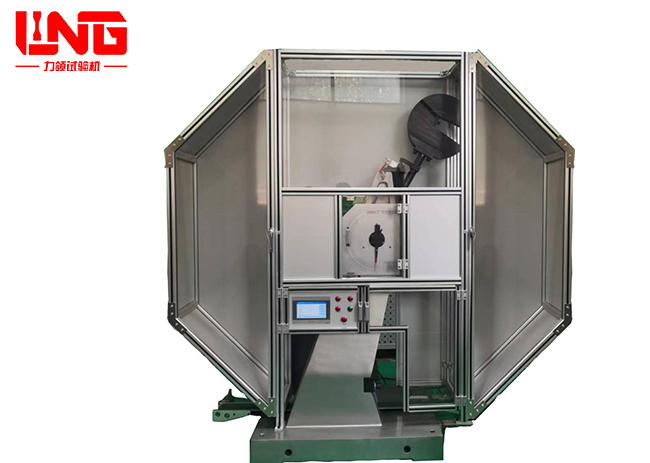
JBW-300C Microcomputer controlled pendulum impact testing machine
The metal pendulum impact testing machine is an instrument u...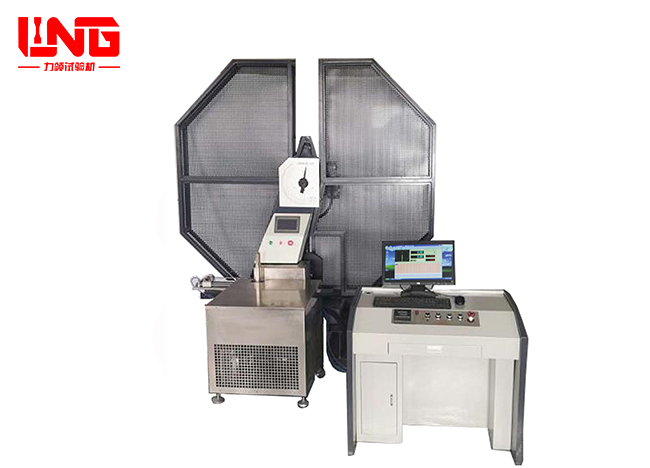
JBW-300HY Instrumented low-temperature automatic impact testing machine
Instrumental pendulum impact testing machine is usually call...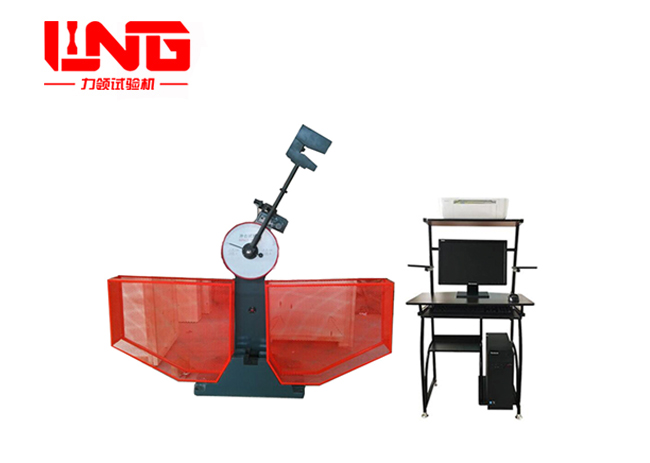
JBW-300B Impact testing machine controlled by microcomputer
There are many kinds of impact testing machine, microcompute...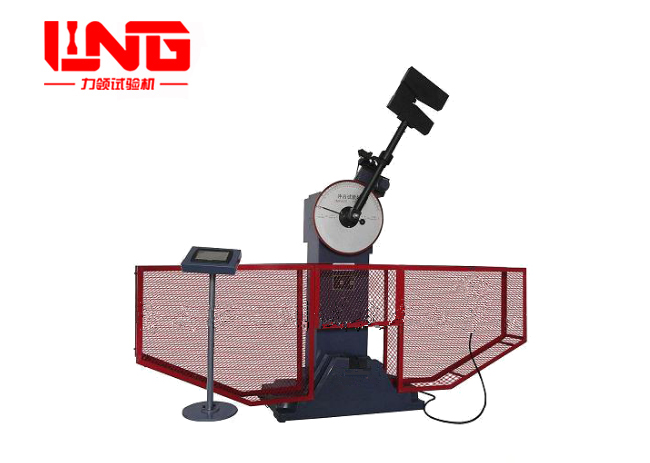
JBS-300B Digital impact testing machine
JBS-300B digital display impact testing machine is used to m...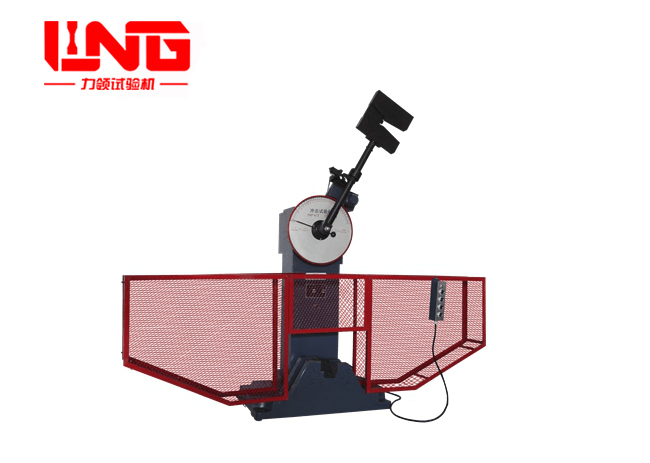
JB-300BSemi-automatic impact testing machine
JB-300B semi-automatic impact testing machine is used to mea...
About LiLing
Product range
News
Contact LiLing
National Service Hotline:+8618660398828
Address:山东省济南市市中区魏华西路6号院内2号厂房


Business consultation (WeChat)
Technical Support: ChaoYueHuLian
Links: